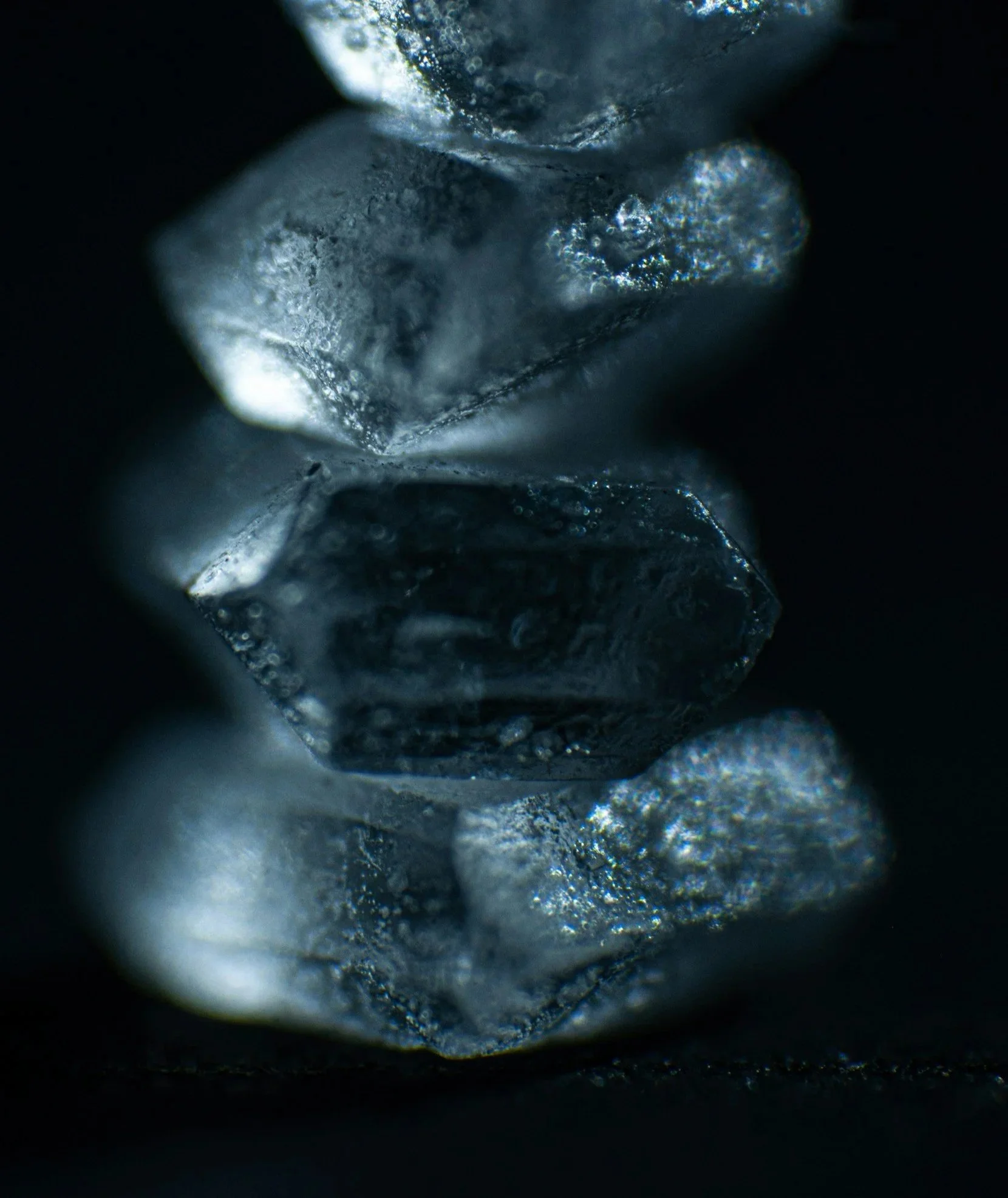
MiTeGen
Writing the user manual for MiTeGen’s NANUQ Hyqperquenching Cryocooler
Redefining Cryogenics
I authored a 60+ page user manual for MiTeGen’s NANUQ Hyperquenching Cryocooler, a system used in cryogenic electron microscopy (Cryo-EM) to automate the freezing and storage of protein crystals. I stress-tested the system, looking for every possible point of failure, such as liquid nitrogen overfills, frozen drains, software bugs, and mechanical jams, and creating simple solutions for future users. The goal was to make the device usable by anyone from any background. I focused on creating clear working procedures, safety guidance, and practical troubleshooting frameworks.
I then reverse engineered the system’s structural frame to enable production of two additional units, and conducted cryo-EM grid studies, compiling an 80-page technical report with experimental findings, comparative analyses, and workflow recommendations to improve consistency and efficiency in future cryogenic studies.
Writing the Manual
Because the NANUQ system integrates high-speed motion control, cryogenics, and bespoke control software, its manual had to serve as both an operational guide and a safety document.
Before writing, I immersed myself in the device - learning its mechanics, control logic, and failure modes firsthand.
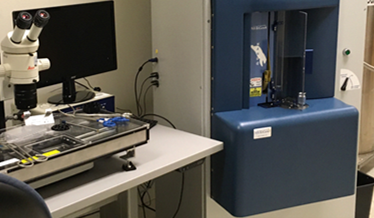
NANUQ connected to a computer.
I deliberately pushed the system to failure: inducing LN2 overfills, freezing the drain, introducing moisture into moving parts, simulating stuck pucks, and triggering emergency stops mid-fill. I analyzed how the displacer, gas-removal system, and software responded under abnormal conditions, focusing on real-world breakdowns rather than ideal operation.
These tests directly informed the manual’s structure. I created clear, sequential procedures for routine use and fault recovery, alongside dedicated safety sections addressing oxygen displacement, cryogenic burns, electrical hazards, and pinch points. By understanding how failures occurred, I was able to write concise, step-by-step guidance that reduces operator error and supports confident action during both routine and high-stress scenarios.
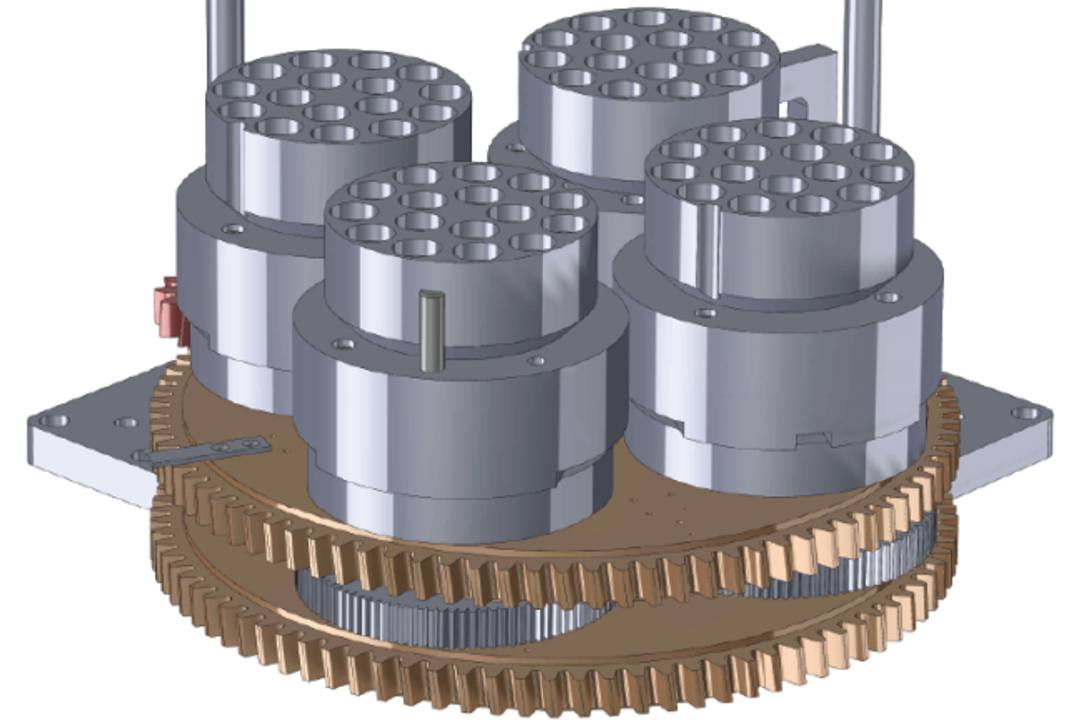
NANUQ’s puck carousel automates sample freezing . I developed a fix for cases where the gears freeze or pucks become stuck inside.
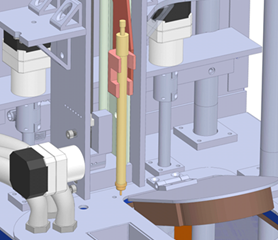
CAD render of NANUQ’s plunger mechanism.
Cryo-EM Research
After completing the manual, I supported the build of two additional units by reverse engineering the original system. My focus was the structural frame: I disassembled and measured the existing device, then walked to the supply room next door and replicated it.
In parallel, I led a cryo-EM grid research initiative. I evaluated variables including grid materials, surface treatments, handling protocols, moisture exposure, and freezing consistency. I compiled the work into an 80-page technical report that included comparative analyses, summarized performance trends, and actionable recommendations.
My outputs included proposed best-practice handling workflows, suggested environmental controls to reduce contamination and ice formation, and design considerations for improving integration between grid preparation steps and the NANUQ workflow.
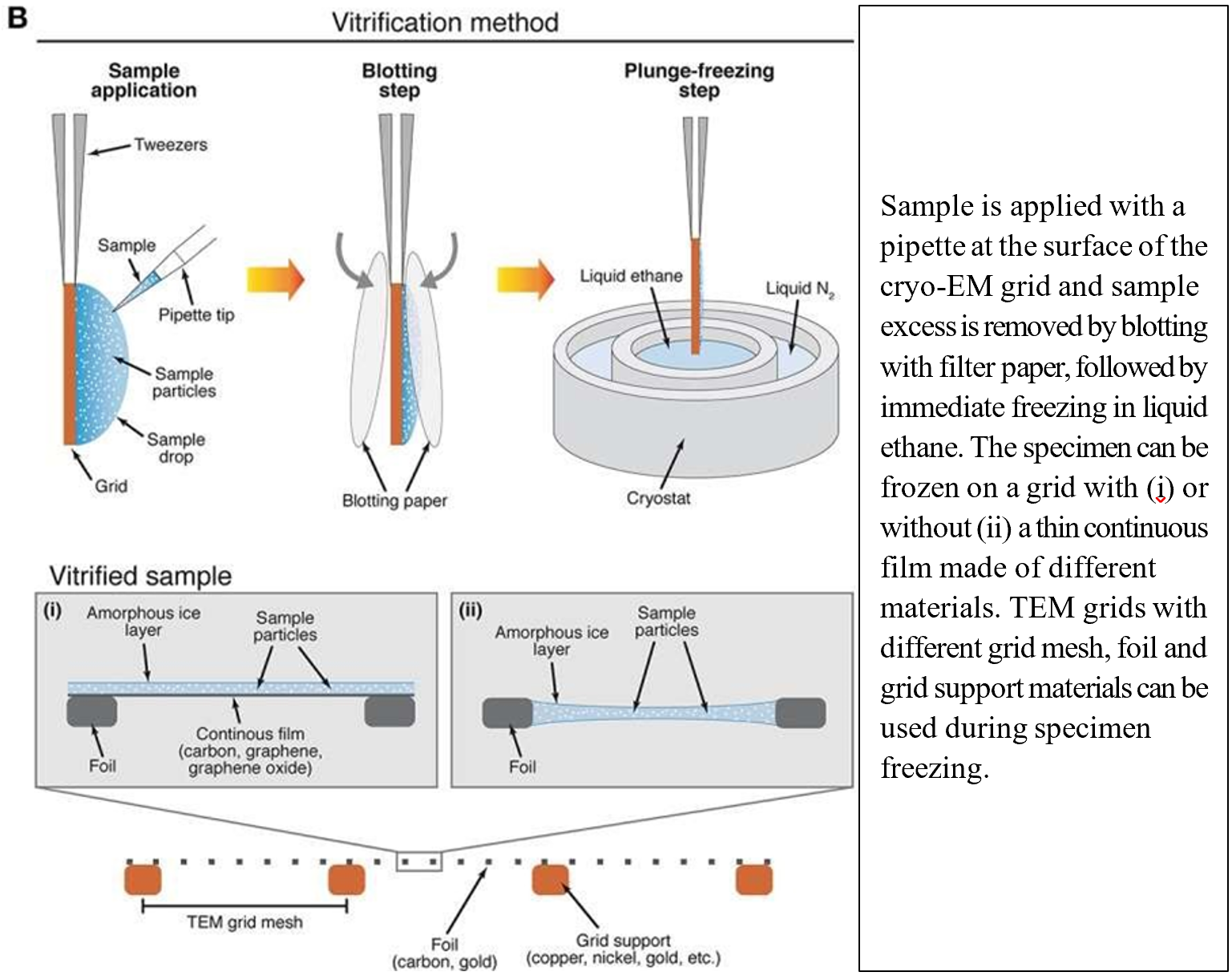
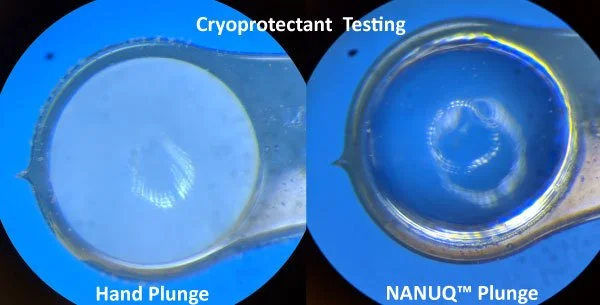
Image 1 shows the traditional hand‑plunging vitrification process. Image 2 compares hand‑plunged grids with those prepared using NANUQ’s automated plunge, which reduces ice crystallization and yields clearer samples.