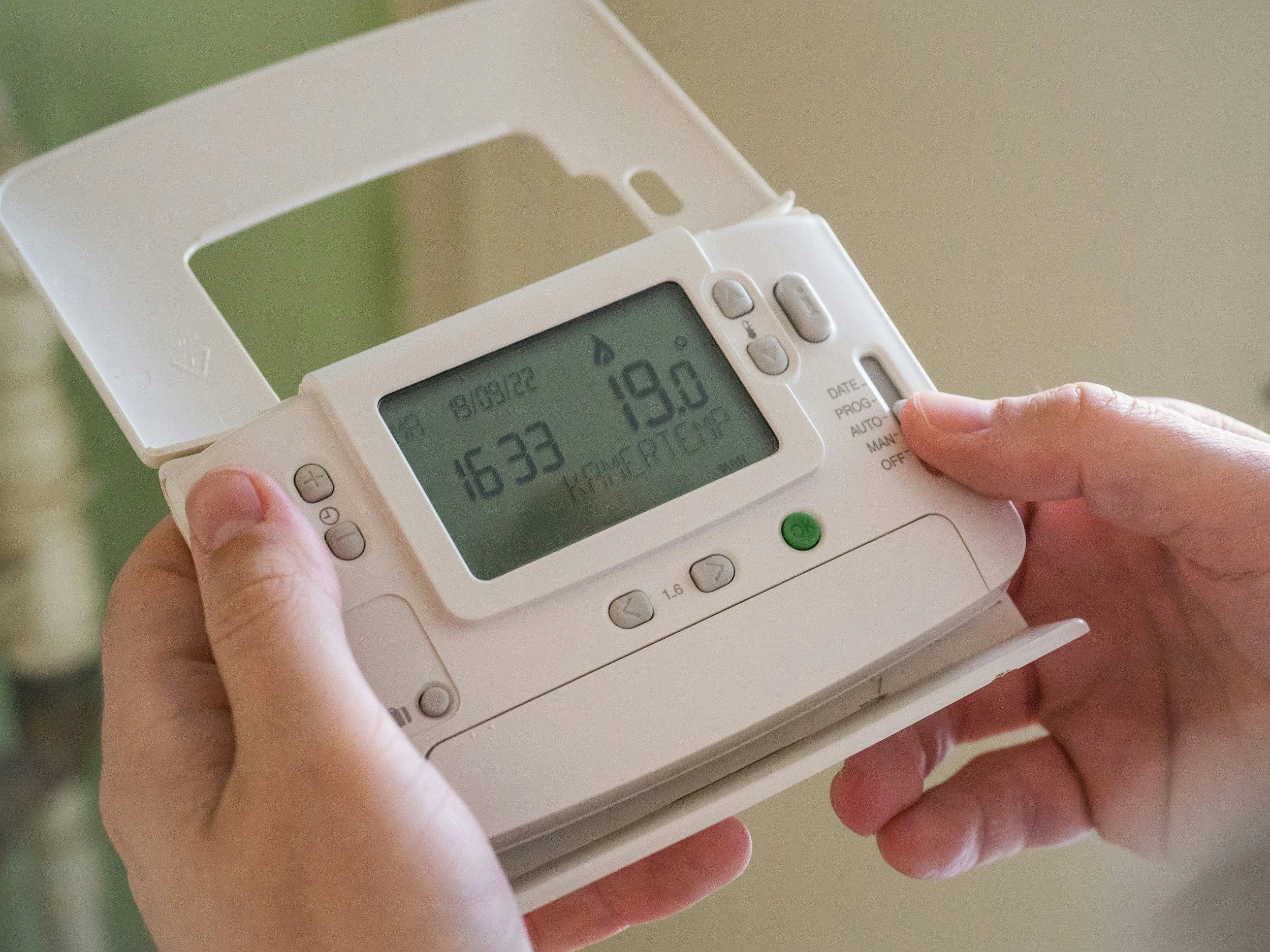
Intelligent Energy Control
Real-time detection of human presence to minimize unnecessary power use
A Smart Way to Save Energy…
I led the development of a low-cost occupancy-detection device as part of Atlanta’s energy equity initiative. Under-resourced households often rely on inefficient HVAC and lighting systems that inflate energy costs. My device reduces waste by activating systems only when a space is occupied.
Inspired by smart-home technology, I designed a multimodal sensing system using sound, motion, and light to detect human presence and ambient light levels. This system enabled targeted environmental control while keeping the device affordable and adaptable to any residential setting.
My primary focus was audio‑processing, where I implemented adaptive filtering and noise‑suppression algorithms capable of isolating human vocals with 95% accuracy in variable noise environments.
Highlights:
95% Vocal Isolation Accuracy
Adaptive Filtering
Machine Learning Compatibility
Partners: Lewe Lab at Georgia Tech
Role: Software & Electrical Engineer
Timeline: May 2024 - Aug. 2024
The Challenge
With limited signal processing experience, I began by studying sensing strategies in smart-home devices: voice detection in Google Home, motion sensors in security systems, and adaptive brightness in smartphones; seeking to integrate them into a single comprehensive energy management system.
To better understand audio processing, I explored the librosa Python library (output shown in the spectrogram) and other common speech-processing workflows. From here, the project had two dimensions: circuit design and signal processing.
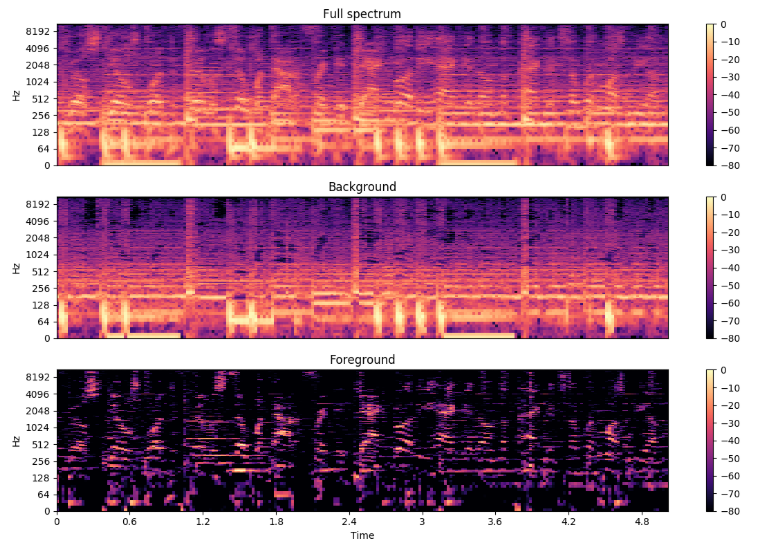
Vocal Isolation via Python’s librosa library
For the hardware, simplicity is best as each component introduces noise. Therefore, I limited each circuit to inputs, filters, and amplifiers. All circuit outputs connect to a Boron 404X microcontroller, which synchronizes inputs and supports cloud connectivity.
For the software, I applied Wiener filtering and soft masking to adaptively suppress noise based on frequency-specific signal-to-noise ratios, with filter design in MATLAB and final implementation in Python. For lighting control, ambient light sensing drives bulb brightness through a feedback loop to maintain consistent illumination with minimal energy use.
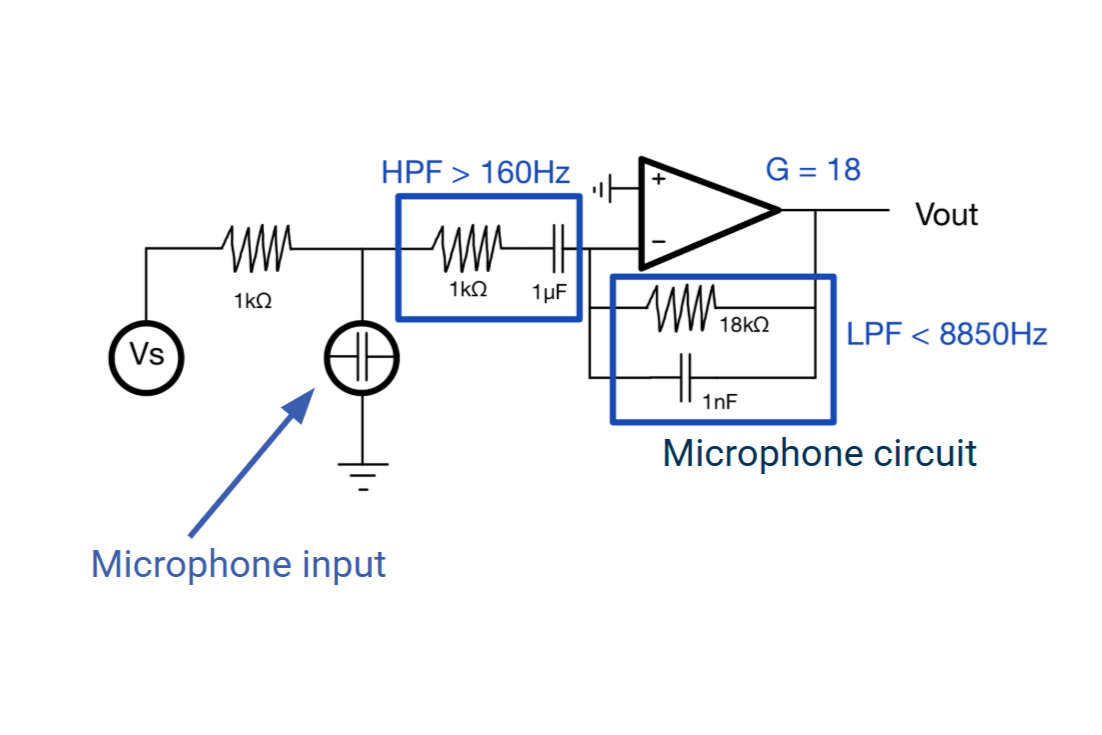
Microphone circuit design. Captures frequencies between 60Hz and 8.5kHz.
The Solution
By directly interfacing the sensing circuits with the microcontroller, I had access to real-time data collection, processing, and visualization on my computer, as shown in the spectrogram. This allowed rapid iteration, debugging, and performance evaluation of the full system.
The audio pipeline achieved 95% vocal isolation accuracy in noisy environments, demonstrating reliable detection of true human presence. Real-time playback and visualization confirmed consistent suppression of background electronics and ambient noise.
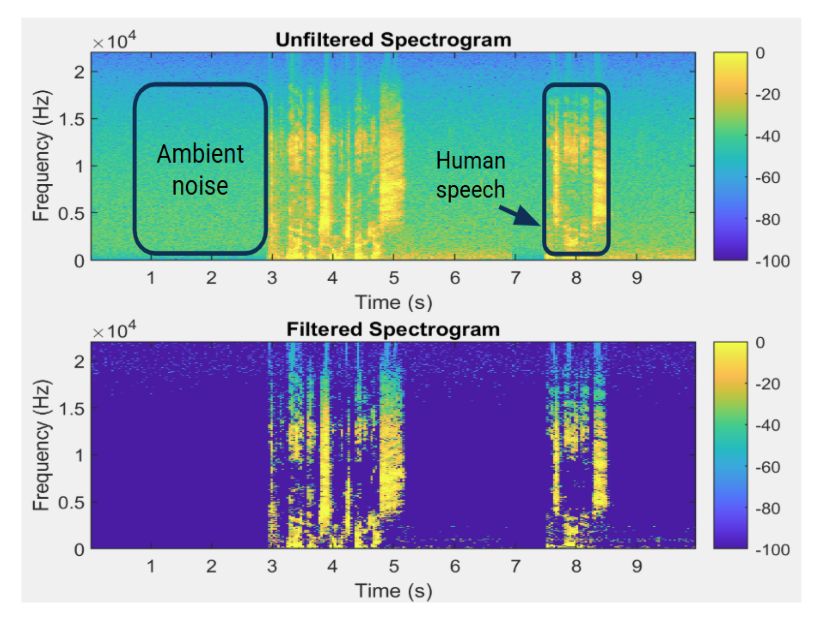
Visualization of isolated human vocals by my device
The lighting system validated adaptive control, with the LED dimming in bright conditions and brightening in low-light or when the sensor was covered. This confirmed accurate ambient light sensing and responsive feedback control for energy-efficient illumination.
By choosing the Boron 404X microcontroller, I laid the foundation for a scalable, cloud-connected energy system capable of supporting future machine learning. This opens the door to devices that adapt to their environments, refine occupancy detection over time, and deliver compounding reductions in energy waste and household costs.
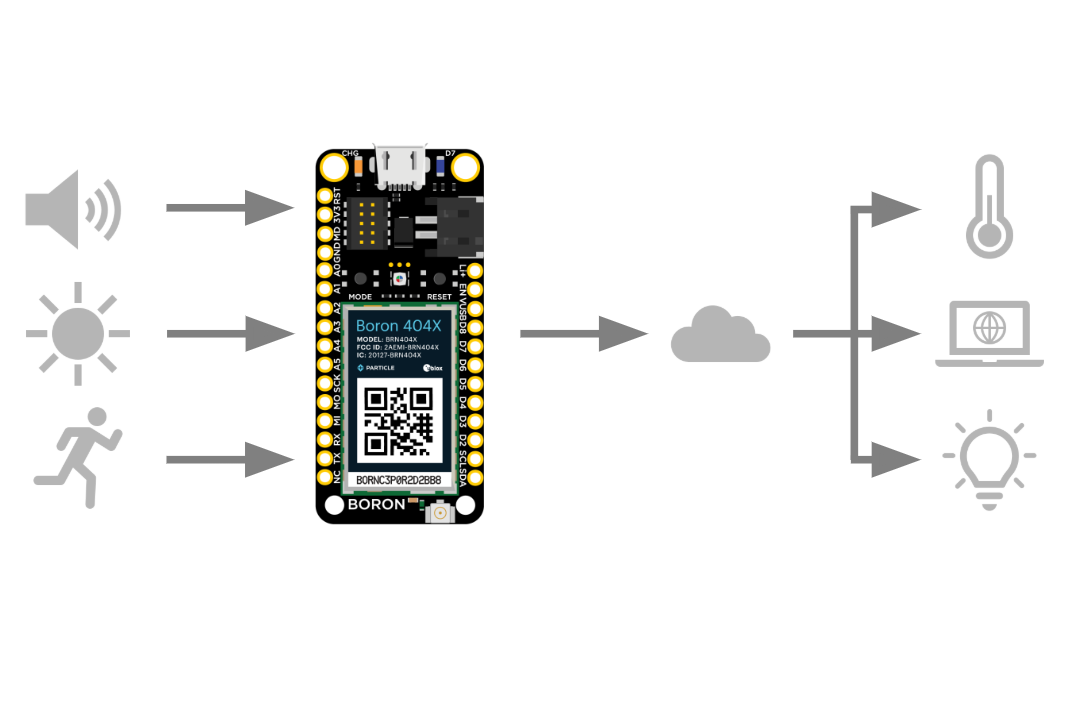
The Boron 404X synchronizes all sensor inputs, and uploads processed data to the cloud for live monitoring and machine learning integration.