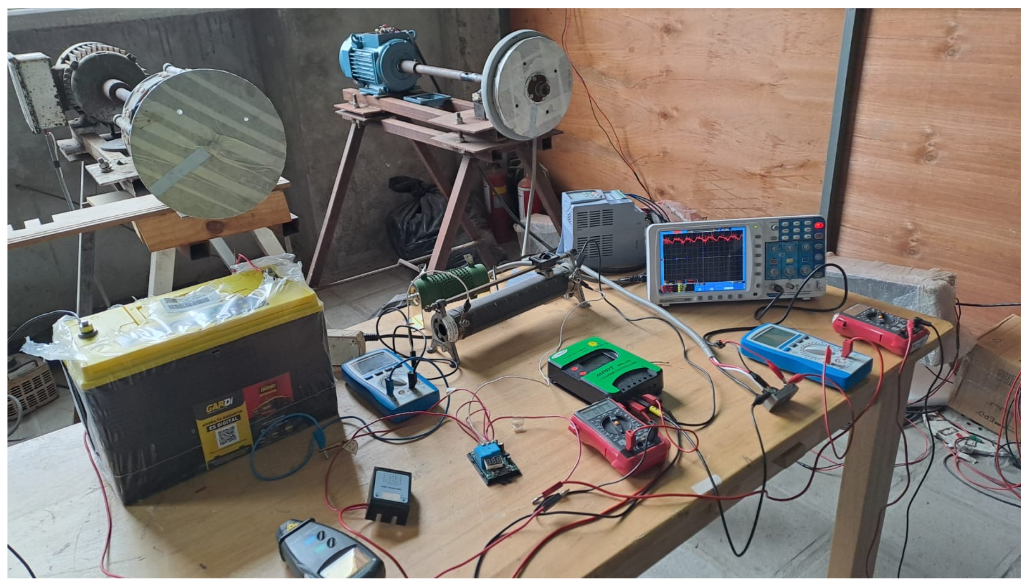
Wind Turbine Controller
Building & Optimizing Wind Turbines in Rural Peru
Expanding Access to Reliable Energy
Rural communities in Peru rely on small‑scale wind turbines for electricity, but maintenance is difficult in remote regions with limited access to replacement parts or specialized electronics. When a turbine controller fails, local technicians often have no way to repair or replace it.
Partnering with the WindAid Institute, my team set out to create a low‑cost, locally serviceable alternative to their imported turbine controller. Through iterative testing, field validation, and hands‑on collaboration with WindAid engineers, we developed a control circuit built entirely from components available in Peru, cutting costs by about $200 per unit and improving long‑term reliability. After validation, we traveled to Peru to support on‑site implementation, helping construct the foundation and structural supports for a community turbine.
Highlights:
Locally Sourced Components
$200 Cheaper than Current Design
Built the Base of a Real Turbine
Partners: WindAid Institute, Global Action Impact Association
Role: Vice President
Timeline: Feb. 2023 - Sept. 2024
The Challenge
WindAid’s existing wind‑solar hybrid controller must be imported, driving up costs, creating long shipping delays, and leaving communities without accessible replacements. In remote regions, a single controller failure can leave households without power for weeks.
Partnering with the WindAid Institute, my team set out to eliminate this dependence on fragile international logistics by designing a controller that could be built, repaired, and replaced entirely with components available in Peru - without compromising safety or performance. We began by adapting a locally sourced solar charge controller as the foundation.
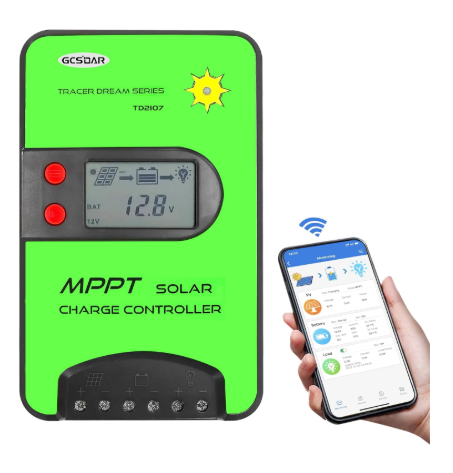
The solar controller we selected was $50 cheaper than WindAid’s wind controller, and negated its $200 import fee.
We adapted the circuit to manage the variability of wind power by adding a three‑phase rectifier to convert the turbine’s AC output to DC, a dump load resistor to safely dissipate excess energy in high winds, and a voltage relay to protect the battery from overcharging or back‑feeding. Even with these added components, the final design eliminates import fees and is roughly $200 cheaper than the original controller, making reliable energy far more attainable for the communities WindAid serves.
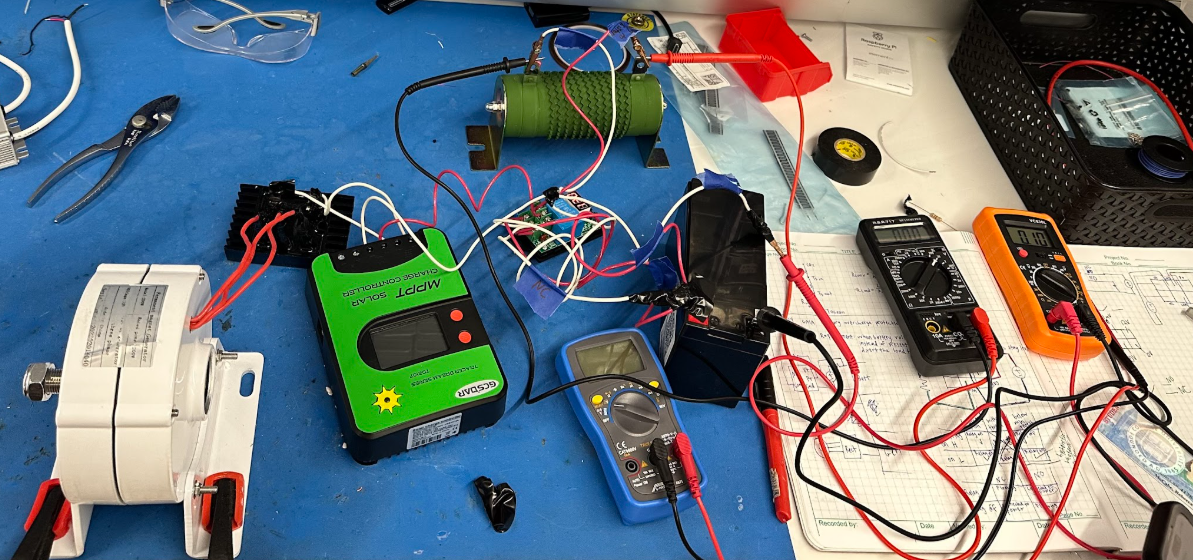
Our initial test setup. The generator acted as the input. The energy output was read on the solar controller’s screen.
The Solution
Upon arriving in Peru, we validated our design using WindAid’s equipment. Controlled load tests quickly revealed a flaw: placing the relay and dump load after the charge controller left them too slow to respond to rapid voltage swings, allowing spikes to hit the controller before protection could engage.
Reworking the architecture by moving those components before the charge controller allowed excess power to be diverted earlier and produced a far more stable DC signal. With that change, the system immediately stabilized, and the turbine operated predictably even under shifting wind conditions.
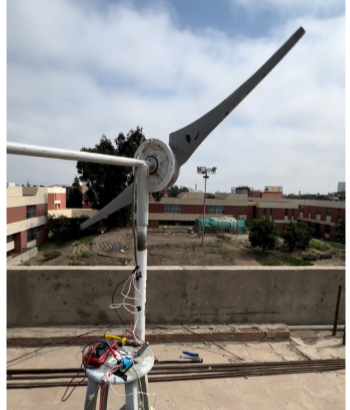
We tested our circuit onsite using a real turbine. Our findings were erratic, ushering a restructuring of the circuit.
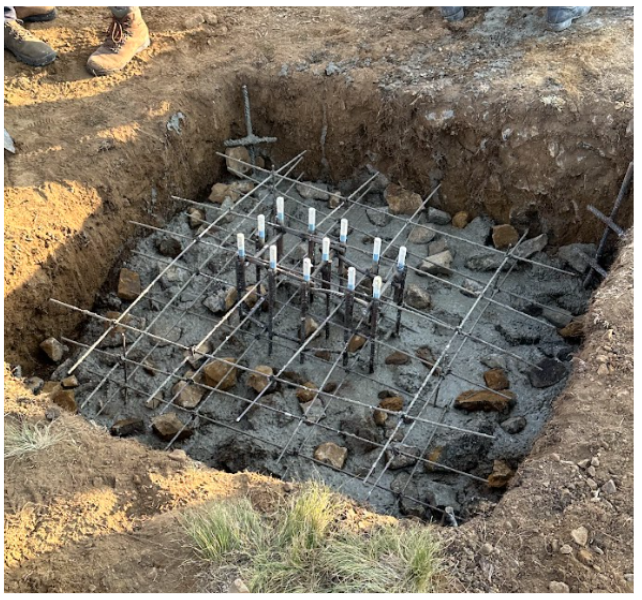
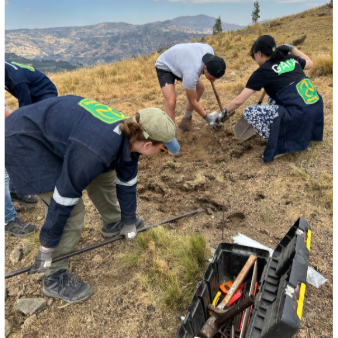
With the electronics validated, we helped construct the turbine itself, digging the foundation, mixing and pouring concrete, and installing the tower supports. Seeing the build firsthand underscored the harsh conditions these systems face and reinforced the need for hardware that’s durable, and easy to maintain.
Proving that a dependable controller could be built entirely from inexpensive, locally sourced components removed one of WindAid’s biggest cost and supply‑chain obstacles. WindAid can now build more turbines and extend dependable renewable energy to more rural communities across Peru.
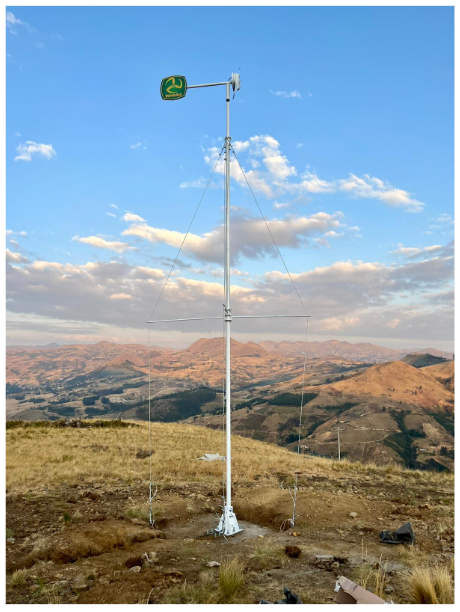
After we left, WindAid’s team completed the turbine. Here is the finished build.